Hair Removal Technology.Beyond the Basics.

A professional guide to hair reduction technologies — how they work, who they're best for, and how to choose the right solution for your clinic.

  • Long-term hair reduction
  • Clinically established technologies
  • Multiple technology options
  • Treatment selection based on skin and hair characteristics
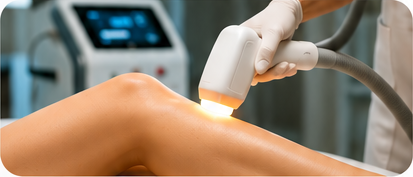
Clinician treating a patient's leg with a hair removal handpiece

The science behind the treatment

What is laser and light-based hair removal?

Selective photothermolysis
Light of a chosen wavelength and pulse duration heats a specific target while limiting heat spread to surrounding tissue.
Follicle damage
Heat diffuses from the pigmented hair to the follicle's stem-cell regions in the bulb and bulge, impairing regrowth.
Reduction, not removal
Permanent hair reduction means a lasting decrease in hair counts after a treatment course — not the elimination of every hair.

Common treatment areas

  • Face
  • Legs
  • Underarms
  • Bikini
  • Body

Clinical principles

Understanding the science behind the results.

The hair growth cycle

Anagen
Active growth. The bulb is pigmented and close to the papilla — the most responsive phase.
Catagen
Short regression phase. The follicle detaches and shrinks.
Telogen
Resting phase. Little response until the follicle re-enters anagen.

Light–tissue interaction

Wavelength
Sets melanin absorption and depth of penetration.
Fluence
Energy per area (J/cm²); balanced against skin tolerance.
Pulse duration
Matched to follicle size so heat reaches the follicle while the epidermis can cool.

Patient selection

Fitzpatrick skin type
More epidermal melanin raises the risk of unwanted heating.
Hair colour, thickness, density
Dark, coarse hair contrasts best with the skin.
Treatment area
Body site affects hair density, growth cycle and parameters.

Technology options

The main technologies for hair removal.

Clinical comparison at a glance
Clinical comparison at a glanceAlexandrite LaserDiode LaserNd:YAG LaserIPL
Wavelength755 nm~800–810 nm (some 940 nm or blended)1064 nmFiltered broad spectrum, ~500–1200 nm
Relative melanin absorptionHighModerate–highLowVaries with filter
PenetrationModerateModerate–deepDeepShallower; varies with filter
Skin-type considerationsUsually lighter skin typesBroad range, parameter dependentOften considered for darker skin typesMainly lighter skin types

Evidence, outcomes & safety

What does the clinical evidence tell us?

Expected outcomes

Reviews report meaningful long-term hair reduction after a treatment course, with remaining hair often finer and lighter. Complete, permanent removal of all hair is not a realistic expectation.

Courses & maintenance

Multiple sessions spaced weeks apart are typical, and some patients need periodic maintenance treatments.

Potential adverse effects

Blistering, crusting, pigment change, rarely scarring, and paradoxical hair growth have been reported; risk rises with darker or tanned skin.

Contraindications & precautions

Recent sun exposure, photosensitising medication, active infection or inflammation in the area, and history of keloids require assessment. Eye protection is essential.

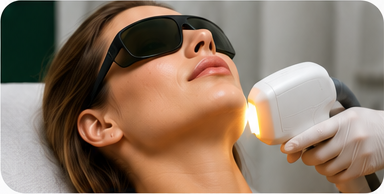
Patient wearing protective eyewear during facial hair removal treatment

Choosing the right technology

Key factors to consider.

Selecting a platform involves more than clinical performance alone. Patient demographics, treatment demand, workflow, operating costs and commercial potential also matter.

  • Skin typeThe Fitzpatrick range you see most often.
  • Hair characteristicsColour, thickness and density.
  • Treatment goalsReduction course and maintenance.
  • Clinic fitWorkflow, demand and return on investment.

Weigh each option against the Modalyze decision framework:

The Modalyze framework

Four questions. One smarter decision.

Clinical

Will it deliver?

Practice

Will it work here?

Business

Will it pay?

Market

Can we create demand?

Explore hair removal devices

Compare leading platforms.

View all hair removal devices
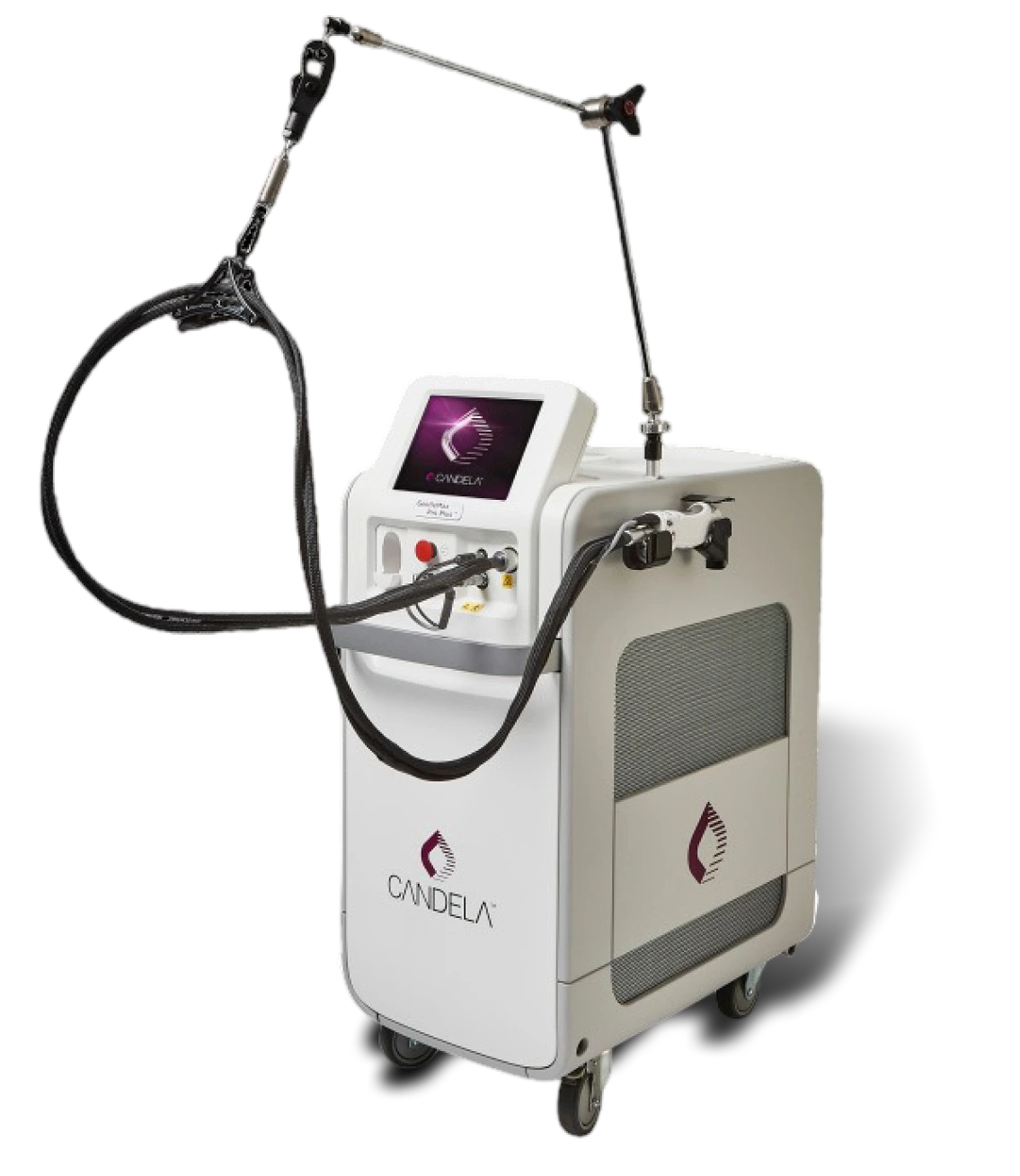
GentleMax Pro Plus — Candela

GentleMax Pro Plus

Candela

  • Laser
  • Alexandrite
Learn more
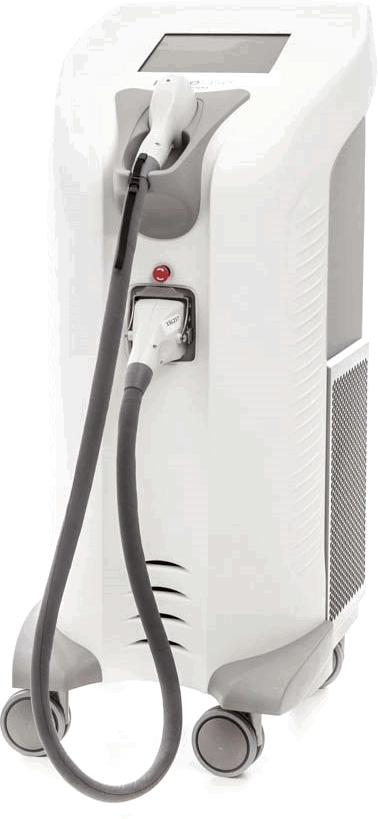
Primelase HR — Sinclair (formerly Cocoon Medical)

Primelase HR

Sinclair (formerly Cocoon Medical)

  • Laser
  • Diode
Learn more
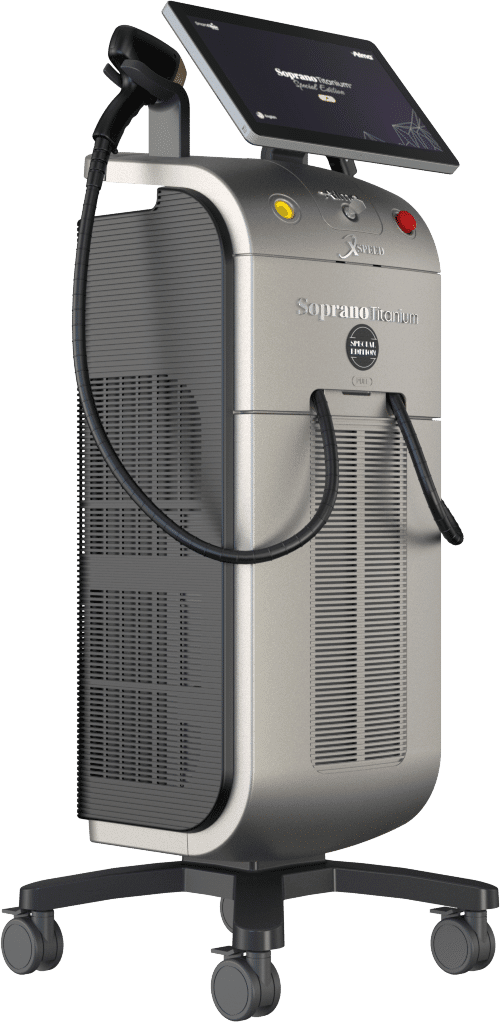
Soprano Titanium — Alma Lasers

Soprano Titanium

Alma Lasers

  • Laser
  • Diode
Learn more
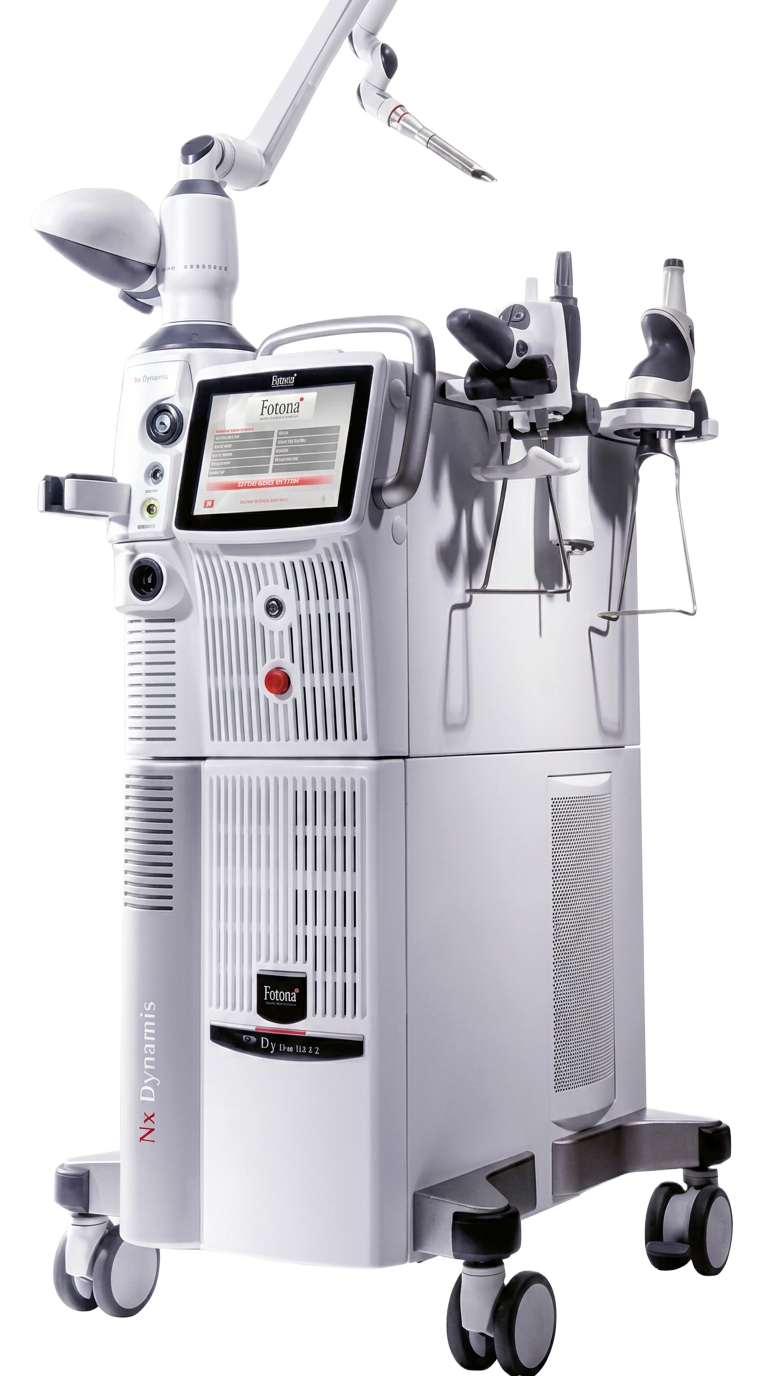
Fotona SP Dynamis — Fotona

Fotona SP Dynamis

Fotona

  • Laser
  • Er:YAG
Learn more
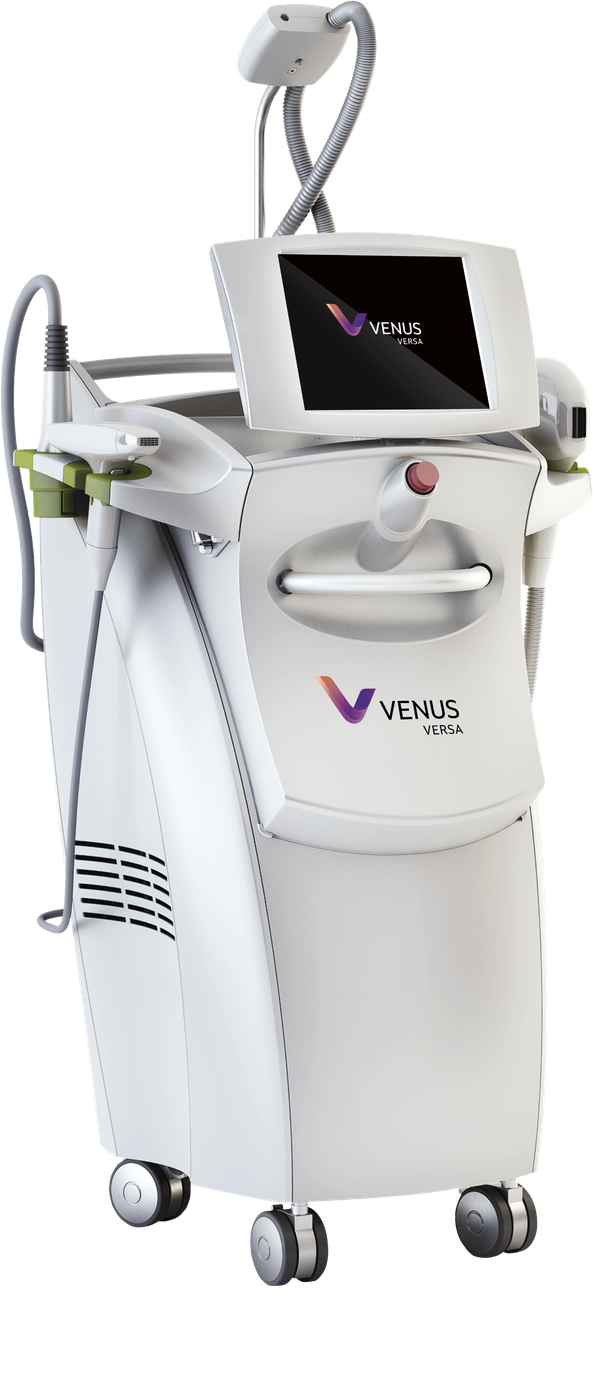
Venus Versa — Venus Concept

Venus Versa

Venus Concept

  • Radiofrequency
  • Multipolar RF
Learn more
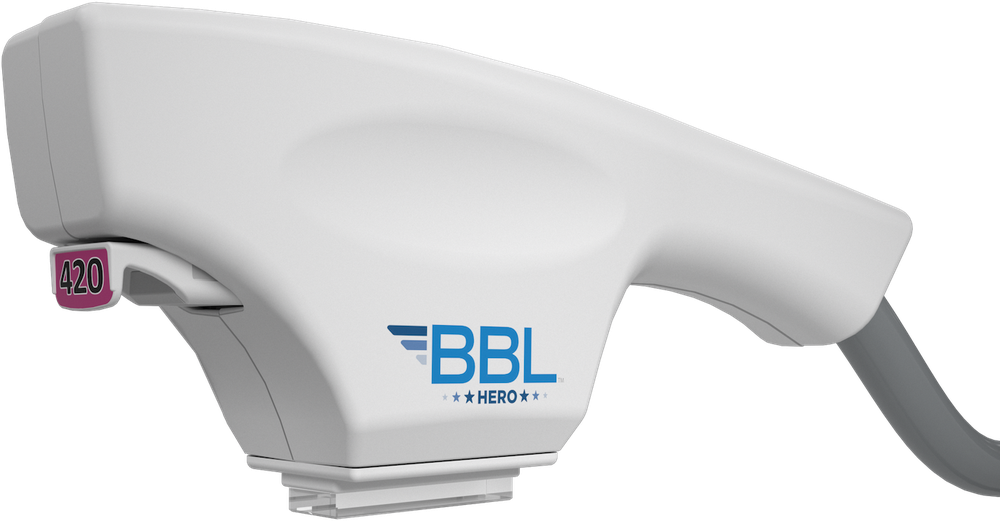
BBL HERO — Sciton

BBL HERO

Sciton

  • IPL
  • Broadband Light
Learn more
Stellar M22 — Lumenis

Stellar M22

Lumenis

  • IPL
  • Broadband Light
Learn more
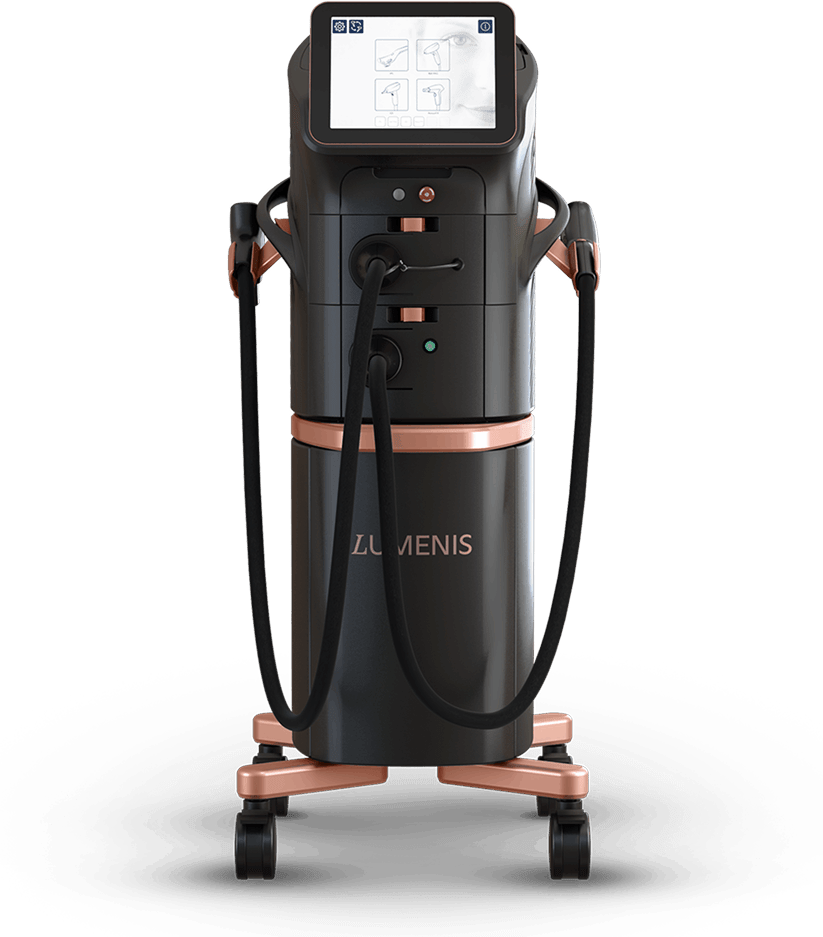
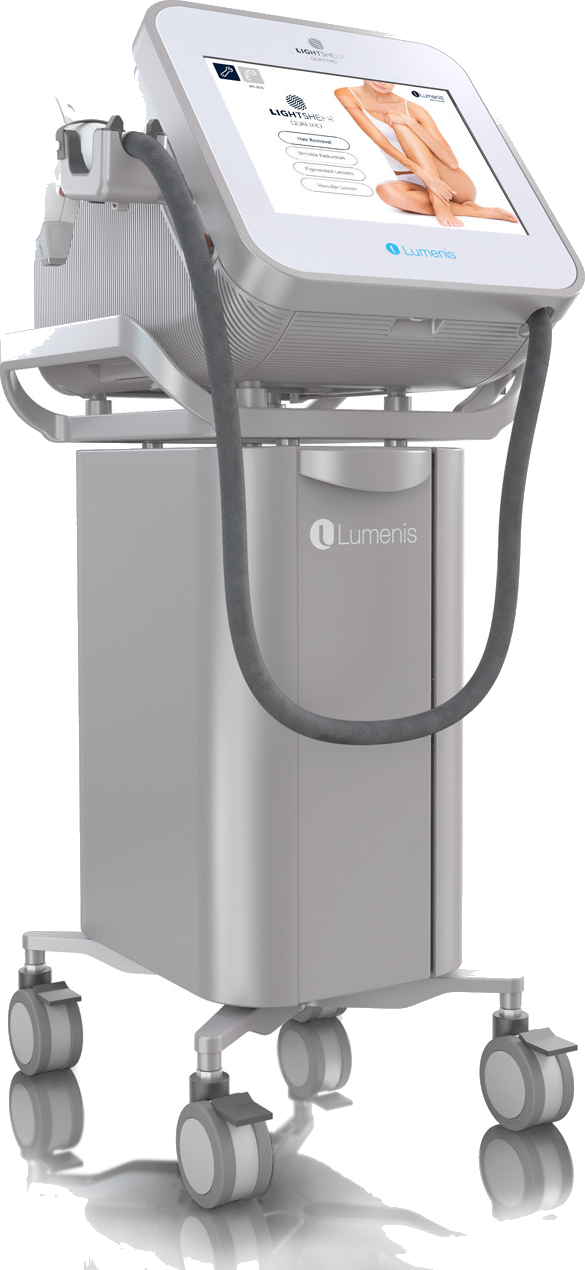
LightSheer QUATTRO — Lumenis

LightSheer QUATTRO

Lumenis

  • Laser
  • Diode
Learn more

The right technology starts with the right questions.

Explore, compare and find the hair removal solution that fits your patients and your practice.

Compare devices

For professional use only. This content is educational and is not medical advice; treatment decisions should be made by qualified practitioners following each manufacturer's instructions and local regulations.